Saltwater
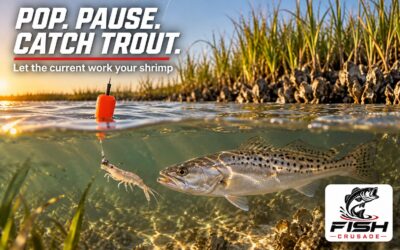
Popping Corks for Speckled Trout: Let Current Work the Shrimp
A popping cork works best when sound, leader length and drift fit the water. Try this practical approach for inshore speckled trout.
A popping cork works best when sound, leader length and drift fit the water. Try this practical approach for inshore speckled trout.
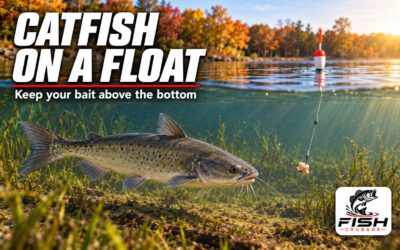
A slip float gives channel-catfish anglers another option when bottom rigs bury bait in weeds or silt. Here is how to test it.
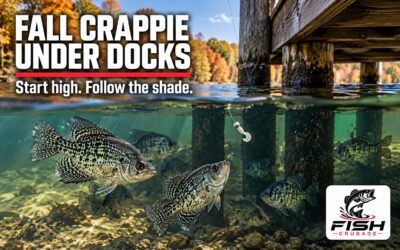
Find fall crappie around docks and nearby cover by testing the upper water first, controlling a small jig and tracking bite depth.
Improve your nymph presentation by reading current seams, controlling depth and choosing a wading route that protects spawning trout.
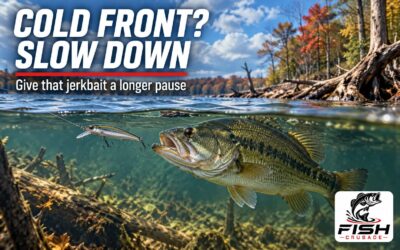
A fall cold front can change the bite without emptying the area. Adjust jerkbait depth and pauses before making a long run.
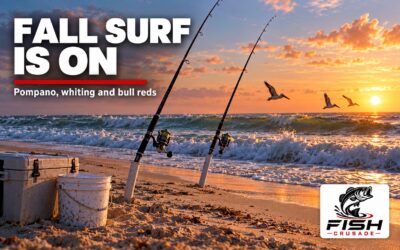
October brings pompano, whiting, croaker and big redfish into Southeast surf. Here is how to rig for each and read the beach.
When late-fall flounder get picky, a tiny grub on a 1/16-ounce jig head can turn refusals into bites. Here is how the approach works.
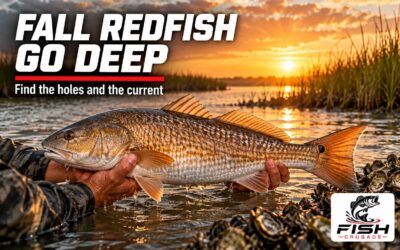
As inshore water cools, redfish slide off summer flats into creek mouths, cuts and deeper holes. Here is how Southeast anglers can follow them this fall.
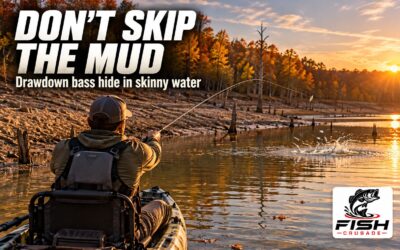
When reservoirs drop toward winter pool, bait and bass can crowd into shallow backwaters. Here is how to find them with a lipless crankbait and a quiet approach.
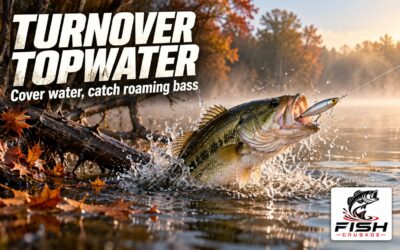
Turnover scatters bass and baitfish, but Lake Fork guide Lee Livesay sees it as a great time to fish. Here is how to cover water and catch roaming fall bass.
The best catches, tactics and gear, every Tuesday. One email a week, nothing else.